Abertis, with culture worldwide
23 September 2019
The Abertis Strategic Corporate Social Responsibility (CSR) Plan establishes the involvement of the Group in the communities where it carries out its business.









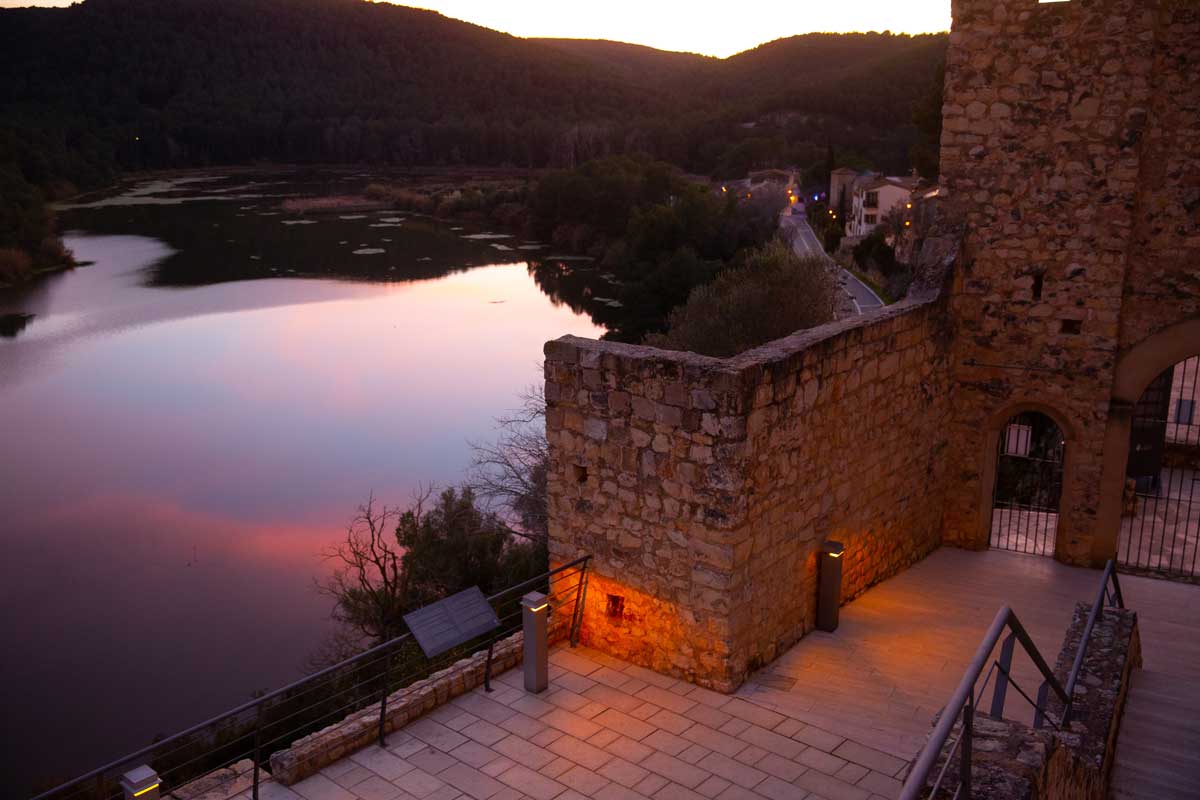
The history of Castellet castle is one of constant changes and new uses over twenty five centuries. The last time that the headquarters of the Abertis Foundation, located in Castellet i la Gornal (Barcelona), had to reinvent itself was in 2014 when the International UNESCO Centre for Mediterranean Biosphere Reserves (MedBR) was inaugurated.
As such, scientific research, training and dissemination of the MedBR are heavily promoted while boosting the exchange of knowledge and good practices in sustainable development.
In 2015, the International UNESCO Centre created a Network of Mediterranean Biosphere Reserves that is currently made up of 70 reserves in 15 countries (Algeria, Bulgaria, Croatia, Slovenia, Spain, France, Greece, Israel, Italy, Jordan, Lebanon, Morocco, Montenegro, Portugal and Tunisia). The Biosphere Reserves are areas formed by earth, marine and coastal ecosystems recognised by the UNESCO MaB (Man and Biosphere) Programme. They foster solutions to balance biodiversity conservation and economic development. Among the goals of our Centre is the promotion of better experiences in the Network and the creation of synergies among the different Reserves.
23 September 2019
The Abertis Strategic Corporate Social Responsibility (CSR) Plan establishes the involvement of the Group in the communities where it carries out its business.
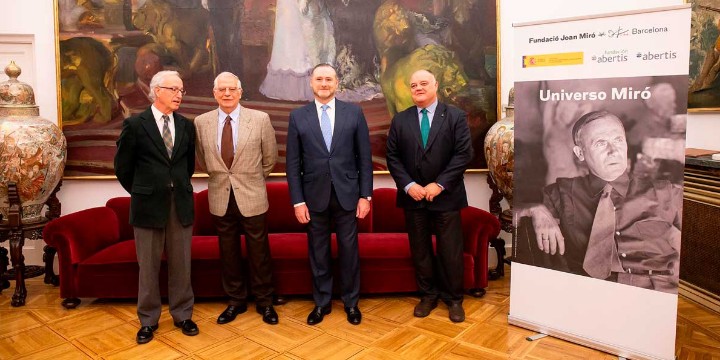
23 September 2019
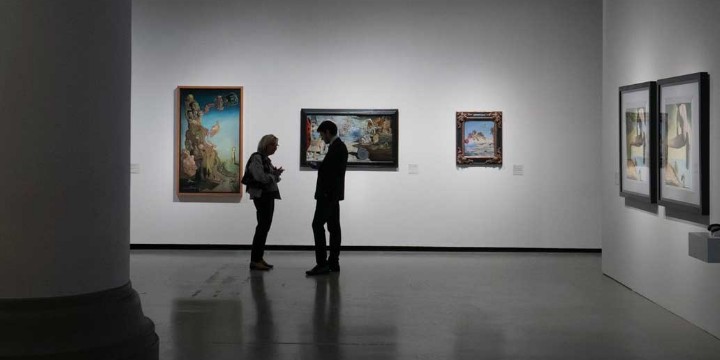
The exhibition “Miró: la experiencia de mirar” (Miró: the experience of looking)was held at the National Museum of Fine Arts in Buenos Aires (Argentina) from 25th November 2017 to 25th February 2018.
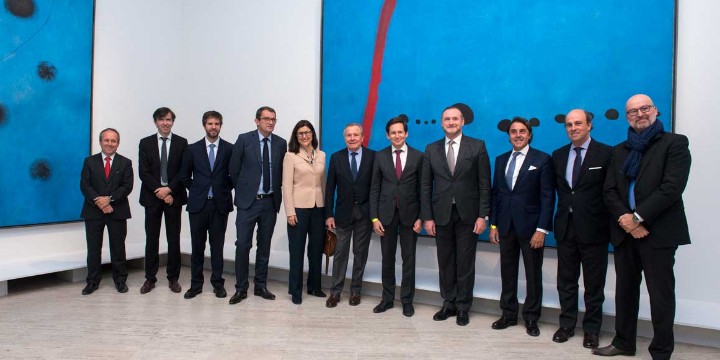
23 September 2019
In the previous summary we indicated that the artist Joan Miró maintained a close link with the avant-garde scene in Paris from his youth until a ripe old age. The exhibition sponsored by Abertis at the Grand Palais enabled the Catalan painter to return to the French capital.
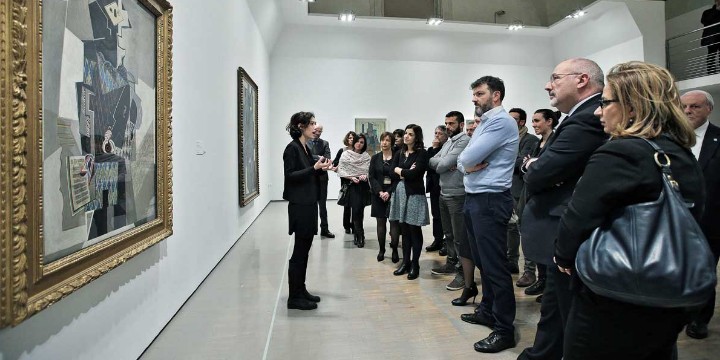
23 September 2019
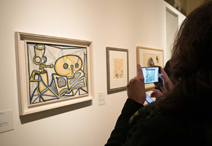
In February 1917, Europe was immersed in the 1st World War. Pablo Picasso was 36 years old then, but was already a great artist who had started the Cubism revolution.